BEGIN:VCALENDAR
VERSION:2.0
PRODID:-//jEvents 2.0 for Joomla//EN
CALSCALE:GREGORIAN
METHOD:PUBLISH
BEGIN:VTIMEZONE
TZID:Europe/Paris
BEGIN:STANDARD
DTSTART:20240203T101500
RDATE:20240331T030000
TZOFFSETFROM:+0200
TZOFFSETTO:+0100
TZNAME:Europe/Paris CET
END:STANDARD
BEGIN:STANDARD
DTSTART:20241027T020000
RDATE:20250330T030000
TZOFFSETFROM:+0200
TZOFFSETTO:+0100
TZNAME:Europe/Paris CET
END:STANDARD
BEGIN:STANDARD
DTSTART:20251026T020000
RDATE:20260329T030000
TZOFFSETFROM:+0200
TZOFFSETTO:+0100
TZNAME:Europe/Paris CET
END:STANDARD
BEGIN:STANDARD
DTSTART:20261025T020000
RDATE:20270328T030000
TZOFFSETFROM:+0200
TZOFFSETTO:+0100
TZNAME:Europe/Paris CET
END:STANDARD
BEGIN:STANDARD
DTSTART:20271031T020000
RDATE:20280326T030000
TZOFFSETFROM:+0200
TZOFFSETTO:+0100
TZNAME:Europe/Paris CET
END:STANDARD
BEGIN:DAYLIGHT
DTSTART:20240331T030000
RDATE:20241027T020000
TZOFFSETFROM:+0100
TZOFFSETTO:+0200
TZNAME:Europe/Paris CEST
END:DAYLIGHT
BEGIN:DAYLIGHT
DTSTART:20250330T030000
RDATE:20251026T020000
TZOFFSETFROM:+0100
TZOFFSETTO:+0200
TZNAME:Europe/Paris CEST
END:DAYLIGHT
BEGIN:DAYLIGHT
DTSTART:20260329T030000
RDATE:20261025T020000
TZOFFSETFROM:+0100
TZOFFSETTO:+0200
TZNAME:Europe/Paris CEST
END:DAYLIGHT
BEGIN:DAYLIGHT
DTSTART:20270328T030000
RDATE:20271031T020000
TZOFFSETFROM:+0100
TZOFFSETTO:+0200
TZNAME:Europe/Paris CEST
END:DAYLIGHT
END:VTIMEZONE
BEGIN:VEVENT
UID:df1c80a15ec82172ec58453e68134f9e
CATEGORIES:Séminaire du CREM
CREATED:20241007T141111
SUMMARY:Gendered Dependence: Non-Binary Notions of Sexuality in Indian Art and Performance, Ann David
LOCATION:Lesc – salle 308F (3e étage) - 21\, allée de l’Université\, Nanterre\, \, 9
2000\, France
DESCRIPTION:Going beyond the usual concepts of dependency relationships located within
a post-colonial state, this new research project examines in greater depth
how Indian conceptions of the body (depicted in art, iconography and in per
formance) have been impacted by a moral, religious Western perspective impo
sed before, during and post-colonial rule. My recent focus on gay male danc
er Ram Gopal, the subject of a recently published monograph (2024), investi
gates a fascinating man who worked his way through a complex tangle of crit
ical contemporary problems as a gay Asian male dancer in London and Europe
at a time when myriad and relevant cultural shifts were in progress. Tackli
ng issues of gender and coloniality, the book is a critical beginning to th
e new research.\nThe ‘moralising projects of colonial and post-colonial mod
ernity’ as Davesh Soneji has termed them remain part of the ‘unfinished pas
ts’ (2012: 3) of both the place and enactment of performative ritual and pe
rformance in India, from the roles of the female temple dancers, the devada
si, through to the itinerant folk dance and theatrical performers, and the
‘third gender’ or transgender performers – the hirijas and kothis. In these
cases, there is what I call a ‘double dependency’ that emerges firstly fro
m the all-powerful colonial project and secondly, in the India that develop
s in post-colonial times from the new, fervent nationalism that reinforces
in part, a Victorian morality and disgust for bodily performance, recreatin
g the dance forms through a prism of purity and respectability. In complex
ways, these systems created cultures of dependency where aspects of inclusi
on and exclusion were normative ways of behaviour.\nIn terms of contemporar
y practice, a number of Indian dancers in India, in the UK and elsewhere ar
e now attempting to re-inscribe and re-create artistic forms connected with
traditional Indian forms of gender and sexuality (devadasis, hijras, etc.)
in a radically different context, such as in performance research, in cros
s-disciplinary theatrical productions, and in film and creative work. Inves
tigating iconography that depicts certain original philosophic concepts of
a balance between male and female (ardhanarishvara), and particular stories
of gender transformation in mythological depictions such as in the epic Ma
habharata text as well as examples of deities worshipped by the trans commu
nity (Bahuchara Mata) expose layered understandings of the spectrum of huma
n sexuality. These developments will form part of the new investigation. In
this project I investigate aspects of ‘asymmetrical relations of dependenc
e’ (Hegewald, 2023:8) and issues of empowerment as well as erasures of memo
ry brought about by nationalistic agendas.\nAnn R David, PhD, Professor of
Dance and Cultural Engagement, is Distinguished Professor Emeritus at the U
niversity of Bonn, in the Institute of Oriental and Asian Studies. She has
recently been a Visiting Professor at King’s College, London in the Culture
, Media and Creative Industries (CMCI) department, and holds an Emerita pro
fessorial position at the University of Roehampton where she worked for 17
years, including 6 years as Head of the Dance Department. Her research and
teaching specialisms are dance anthropology (ritual, migration, diaspora, e
mbodiment) and South Asian classical & popular dance; her dance trainin
g includes ballet, contemporary, folk, and the Indian classical styles of b
haratanatyam and kathak. She has published widely on this work, as well as
on dance in Bollywood and on the ritual dances of Tibetan Buddhism and has
completed a monograph of Indian dancer Ram Gopal, (Bloomsbury). Ann has giv
en public talks at the V&A, the British Library, British Museum and Nat
ional Portrait Gallery and been involved in post-show discussions at Asia H
ouse, Nehru Centre, Sadler’s Wells, Southbank and the Bhavan, and has appea
red on BBC radio and TV on several occasions. She is passionate about the n
eed for the arts in education, works closely with policy makers, and is on
the board of several arts organisations. Her current interests are in creat
ing cultures of (mutual) care in the arts that support an ecological dimens
ion.\n \n
X-ALT-DESC;FMTTYPE=text/html: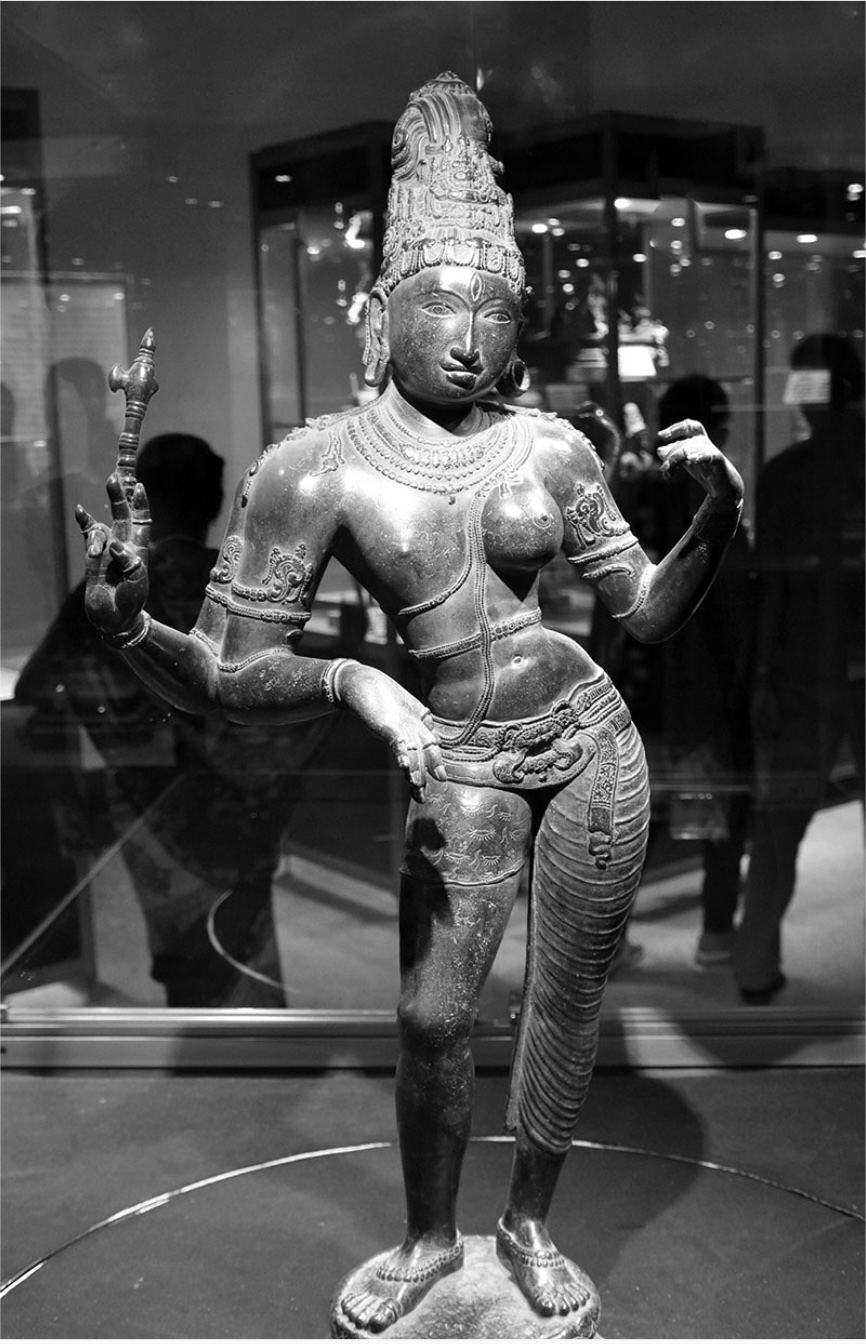 Going beyond the usual concepts of dependency relationsh
ips located within a post-colonial state, this new research project examine
s in greater depth how Indian conceptions of the body (depicted in art, ico
nography and in performance) have been impacted by a moral, religious Weste
rn perspective imposed before, during and post-colonial rule. My recent foc
us on gay male dancer Ram Gopal, the subject of a recently published monogr
aph (2024), investigates a fascinating man who worked his way through a com
plex tangle of critical contemporary problems as a gay Asian male dancer in
London and Europe at a time when myriad and relevant cultural shifts were
in progress. Tackling issues of gender and coloniality, the book is a criti
cal beginning to the new research.
Going beyond the usual concepts of dependency relationsh
ips located within a post-colonial state, this new research project examine
s in greater depth how Indian conceptions of the body (depicted in art, ico
nography and in performance) have been impacted by a moral, religious Weste
rn perspective imposed before, during and post-colonial rule. My recent foc
us on gay male dancer Ram Gopal, the subject of a recently published monogr
aph (2024), investigates a fascinating man who worked his way through a com
plex tangle of critical contemporary problems as a gay Asian male dancer in
London and Europe at a time when myriad and relevant cultural shifts were
in progress. Tackling issues of gender and coloniality, the book is a criti
cal beginning to the new research.
The ‘moralising projects of coloni
al and post-colonial modernity’ as Davesh Soneji has termed them remain par
t of the ‘unfinished pasts’ (2012: 3) of both the place and enactment of pe
rformative ritual and performance in India, from the roles of the female te
mple dancers, the devadasi, through to the itinerant folk dance an
d theatrical performers, and the ‘third gender’ or transgender performers –
the hirijas and kothis. In these cases, there is what I
call a ‘double dependency’ that emerges firstly from the all-powerful colon
ial project and secondly, in the India that develops in post-colonial times
from the new, fervent nationalism that reinforces in part, a Victorian mor
ality and disgust for bodily performance, recreating the dance forms throug
h a prism of purity and respectability. In complex ways, these systems crea
ted cultures of dependency where aspects of inclusion and exclusion were no
rmative ways of behaviour.
In terms of contemporary practice, a numbe
r of Indian dancers in India, in the UK and elsewhere are now attempting to
re-inscribe and re-create artistic forms connected with traditional Indian
forms of gender and sexuality (devadasis, hijras, etc.) in a radi
cally different context, such as in performance research, in cross-discipli
nary theatrical productions, and in film and creative work. Investigating i
conography that depicts certain original philosophic concepts of a balance
between male and female (ardhanarishvara), and particular stories
of gender transformation in mythological depictions such as in the epic Mahabharata text as well as examples of deities worshipped by the tra
ns community (Bahuchara Mata) expose layered understandings of the
spectrum of human sexuality. These developments will form part of the new
investigation. In this project I investigate aspects of ‘asymmetrical relat
ions of dependence’ (Hegewald, 2023:8) and issues of empowerment as well as
erasures of memory brought about by nationalistic agendas.
A
nn R David, PhD, Professor of Dance and Cultural Engagement, is Di
stinguished Professor Emeritus at the University of Bonn, in the Institute
of Oriental and Asian Studies. She has recently been a Visiting Professor a
t King’s College, London in the Culture, Media and Creative Industries (CMC
I) department, and holds an Emerita professorial position at the University
of Roehampton where she worked for 17 years, including 6 years as Head of
the Dance Department. Her research and teaching specialisms are dance anthr
opology (ritual, migration, diaspora, embodiment) and South Asian classical
& popular dance; her dance training includes ballet, contemporary, fol
k, and the Indian classical styles of bharatanatyam and kathak. She has pub
lished widely on this work, as well as on dance in Bollywood and on the rit
ual dances of Tibetan Buddhism and has completed a monograph of Indian danc
er Ram Gopal, (Bloomsbury). Ann has given public talks at the V&A, the
British Library, British Museum and National Portrait Gallery and been invo
lved in post-show discussions at Asia House, Nehru Centre, Sadler’s Wells,
Southbank and the Bhavan, and has appeared on BBC radio and TV on several o
ccasions. She is passionate about the need for the arts in education, works
closely with policy makers, and is on the board of several arts organisati
ons. Her current interests are in creating cultures of (mutual) care in the
arts that support an ecological dimension.
DTSTAMP:20261016T211736
DTSTART;TZID=Europe/Paris:20250203T101500
DTEND;TZID=Europe/Paris:20250203T121500
SEQUENCE:0
TRANSP:OPAQUE
END:VEVENT
END:VCALENDAR