BEGIN:VCALENDAR
VERSION:2.0
PRODID:-//jEvents 2.0 for Joomla//EN
CALSCALE:GREGORIAN
METHOD:PUBLISH
BEGIN:VTIMEZONE
TZID:Europe/Paris
BEGIN:STANDARD
DTSTART:20201025T020000
RDATE:20210328T030000
TZOFFSETFROM:+0200
TZOFFSETTO:+0100
TZNAME:Europe/Paris CET
END:STANDARD
BEGIN:STANDARD
DTSTART:20211031T020000
RDATE:20220327T030000
TZOFFSETFROM:+0200
TZOFFSETTO:+0100
TZNAME:Europe/Paris CET
END:STANDARD
BEGIN:STANDARD
DTSTART:20221030T020000
RDATE:20230326T030000
TZOFFSETFROM:+0200
TZOFFSETTO:+0100
TZNAME:Europe/Paris CET
END:STANDARD
BEGIN:STANDARD
DTSTART:20231029T020000
RDATE:20240331T030000
TZOFFSETFROM:+0200
TZOFFSETTO:+0100
TZNAME:Europe/Paris CET
END:STANDARD
BEGIN:STANDARD
DTSTART:20241027T020000
RDATE:20250330T030000
TZOFFSETFROM:+0200
TZOFFSETTO:+0100
TZNAME:Europe/Paris CET
END:STANDARD
BEGIN:STANDARD
DTSTART:20251026T020000
RDATE:20260329T030000
TZOFFSETFROM:+0200
TZOFFSETTO:+0100
TZNAME:Europe/Paris CET
END:STANDARD
BEGIN:STANDARD
DTSTART:20261025T020000
RDATE:20270328T030000
TZOFFSETFROM:+0200
TZOFFSETTO:+0100
TZNAME:Europe/Paris CET
END:STANDARD
BEGIN:STANDARD
DTSTART:20271031T020000
RDATE:20280326T030000
TZOFFSETFROM:+0200
TZOFFSETTO:+0100
TZNAME:Europe/Paris CET
END:STANDARD
BEGIN:DAYLIGHT
DTSTART:20200527T143000
RDATE:20201025T020000
TZOFFSETFROM:+0100
TZOFFSETTO:+0200
TZNAME:Europe/Paris CEST
END:DAYLIGHT
BEGIN:DAYLIGHT
DTSTART:20210328T030000
RDATE:20211031T020000
TZOFFSETFROM:+0100
TZOFFSETTO:+0200
TZNAME:Europe/Paris CEST
END:DAYLIGHT
BEGIN:DAYLIGHT
DTSTART:20220327T030000
RDATE:20221030T020000
TZOFFSETFROM:+0100
TZOFFSETTO:+0200
TZNAME:Europe/Paris CEST
END:DAYLIGHT
BEGIN:DAYLIGHT
DTSTART:20230326T030000
RDATE:20231029T020000
TZOFFSETFROM:+0100
TZOFFSETTO:+0200
TZNAME:Europe/Paris CEST
END:DAYLIGHT
BEGIN:DAYLIGHT
DTSTART:20240331T030000
RDATE:20241027T020000
TZOFFSETFROM:+0100
TZOFFSETTO:+0200
TZNAME:Europe/Paris CEST
END:DAYLIGHT
BEGIN:DAYLIGHT
DTSTART:20250330T030000
RDATE:20251026T020000
TZOFFSETFROM:+0100
TZOFFSETTO:+0200
TZNAME:Europe/Paris CEST
END:DAYLIGHT
BEGIN:DAYLIGHT
DTSTART:20260329T030000
RDATE:20261025T020000
TZOFFSETFROM:+0100
TZOFFSETTO:+0200
TZNAME:Europe/Paris CEST
END:DAYLIGHT
BEGIN:DAYLIGHT
DTSTART:20270328T030000
RDATE:20271031T020000
TZOFFSETFROM:+0100
TZOFFSETTO:+0200
TZNAME:Europe/Paris CEST
END:DAYLIGHT
END:VTIMEZONE
BEGIN:VEVENT
UID:38f22380e3ff3795d48fe1bad84cf7ac
CATEGORIES:Séminaire de l'EREA, EREA
CREATED:20210419T150938
SUMMARY:Distance temporelle, pertinence et conjecture en chácobo (pano) et araona (takana), Adam Tallman (Friedrich Schiller Universität - Jena)
DESCRIPTION:\nCet exposé comparera le marquage de la distance temporelle, de la pertine
nce et de la conjecture dans deux langues amazoniennes de Bolivie (le cháco
bo et l’araona). La littérature linguistique sur la distance temporelle s’e
st attachée à élucider les catégories sémantiques à l’œuvre (« graded tense
», « metric tense », « temporal remoteness »), la façon dont elles combine
nt des traits de l’aspect, du temps et des adverbes (augmentant l’éventail
des catégories typologiques connues, Cable 2013 ; Mucha 2016 ; Tallman et S
tout 2016, 2018 ; Tallman 2018), ainsi que les propriétés concernant le car
actère affirmé ou présupposé de la distance temporelle et son type d’ancrag
e (topic vs. utterance time). Cependant, les aspects pragmatiques et plus c
ulturels de la signification des marqueurs de distance temporelle ont été l
aissés de côté dans ces analyses, tels que la façon dont les notions intern
es de récence et de distance temporelles sont négociées dans le discours ou
leurs asymétries quant à l’encodage d’une pertinence persistante. En outre
, ces analyses ne fournissent aucune explication de l'association synchroni
que et diachronique entre les morphèmes conjecturaux et les marqueurs d'élo
ignement temporel (saillants en chácobo et en araona). Dans une tentative d
e combler cette lacune, cet exposé explorera la possibilité d'aborder ces c
atégories du point de vue de la notion d’indexicalité créative de Silverste
in (1976).\nCliché: Session d'enregistrement chez les Araona, rivière Manur
ipi, Bolivie / © Adam Tallman.\n L'intervention sera réalisée en anglais.\n
\nTemporal distance, relevance, and conjecture in Chácobo (Pano) and Araon
a (Takana)\nThis talk will compare the marking of temporal distance, releva
nce and conjecture in two Amazonian languages of Bolivia (Chácobo and Araon
a). The linguistic literature on temporal distance has concentrated on its
semantic categories ('graded tense', 'metric tense', 'temporal remoteness')
, how they mix features from the aspect, tense and temporal domains (enlarg
ing the known typological categories Cable 2013; Mucha 2016; Tallman &
Stout 2016, 2018; Tallman 2018), as well as on properties related with whet
her they assert or presuppose temporal information and whether temporal dis
tance is measured with respect to topic (or temporal reference) time or utt
erance time. Pragmatic and more culturally grounded aspects of the meaning
of temporal distance markers have been left out of these analyses, how mind
-internal notions of temporal recency and distance are negotiated in discou
rse and asymetries in the extent to which these morphemes encode lingering
relevance. Furthermore, these analyses provide no explanation for the synch
ronic and diachronic association between conjectural morphemes and markers
of temporal remoteness (salient in both Chácobo and Araona). In an attempt
to fill this gap, this talk will explore the possibility of approaching the
se categories from the perspective of Silverstein's notion of creative inde
xicality (Silverstein 1976).\n References citées\nCable, S. (2013). Beyond
the past, present, and future: towards the semantics of 'graded tense' in G
ĩkũyũ. Natural Language Semantics, 21, 219-276.\nMichael, L. D. (2008). Nan
ti evidential practice: Language, knowledge, and social action in an Amazon
ian society. PhD Thesis, University of Texas at Austin.\nMucha, A. (2015).
Temporal Interpretation and Cross-Linguistic Variation: A formal semantic a
nalysis of temporal and aspectual reference in Hausa Medumba. Potsdam: PhD
thesis, University of Potsdam.\nSilverstein, M. (1976). Shifters, Linguisti
c Categories and Cultural Description. In K. H. Basso, & H. A. Selby (E
ds.), Meaning in Anthropology. Albuquerque: University of New Mexico Press.
\nTallman, A. J. (2018). A Grammar of Chácobo, a southern Pano language of
the northern Bolivian Amazon. University of Texas at Austin, PhD Thesis.\nT
allman, A. J., & Stout, T. (2016). The perfect in Chácobo in cross-ling
uistic perspective. In T. Bui, & R.-R. Ivan (Eds.), SULA 9: Proceedings
of the Ninth Conference on the Semantics of Under-Represented Languages in
the Americas. University of California, Santa Cruz.\nTallman, A. J., &
Stout, T. (2018). Tense and temporal remoteness in Chácobo (Pano). In M. K
eough, N. Weber, A. Anghelescu, S. Chen, E. Guntly, K. Johnson, . . . O. Tk
achman (Ed.), Proceedings of the Workshop on the Structure and Constituency
in the Languages of the Americas 21 (pp. 210-224). Montreal: University of
British Columbia Working Papers in Linguistics 46.\n
X-ALT-DESC;FMTTYPE=text/html: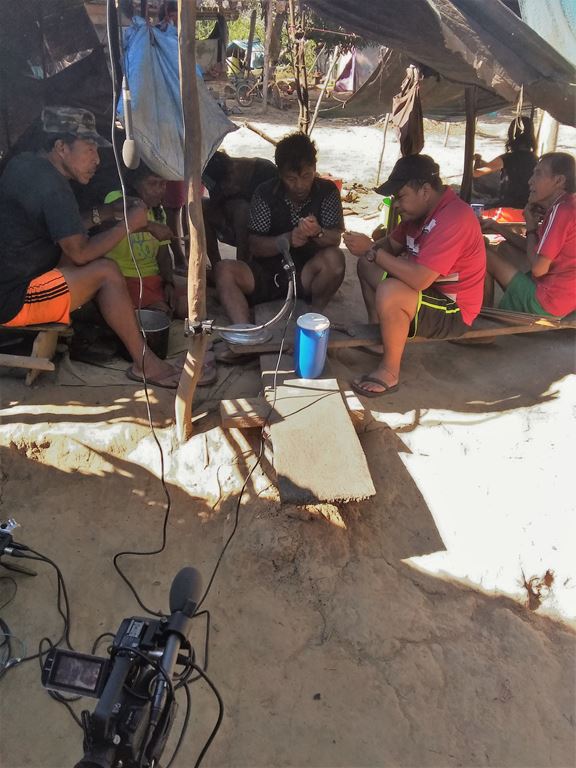
Cet exposé comparera le marquage de la distance temporelle, de la
pertinence et de la conjecture dans deux langues amazoniennes de Bolivie (
le chácobo et l’araona). La littérature linguistique sur la distance tempor
elle s’est attachée à élucider les catégories sémantiques à l’œuvre («
;graded tense », « metric tense », «
temporal remoteness »), la façon dont elles combinent des tra
its de l’aspect, du temps et des adverbes (augmentant l’éventail des catégo
ries typologiques connues, Cable 2013 ; Mucha 2016 ; Tallman et S
tout 2016, 2018 ; Tallman 2018), ainsi que les propriétés concernant l
e caractère affirmé ou présupposé de la distance temporelle et son type d’a
ncrage (topic vs. utterance time). Cependant, les aspects pragmati
ques et plus culturels de la signification des marqueurs de distance tempor
elle ont été laissés de côté dans ces analyses, tels que la façon dont les
notions internes de récence et de distance temporelles sont négociées dans
le discours ou leurs asymétries quant à l’encodage d’une pertinence persist
ante. En outre, ces analyses ne fournissent aucune explication de l'associa
tion synchronique et diachronique entre les morphèmes conjecturaux et les m
arqueurs d'éloignement temporel (saillants en chácobo et en araona). Dans u
ne tentative de combler cette lacune, cet exposé explorera la possibilité d
'aborder ces catégories du point de vue de la notion d’indexicalité créativ
e de Silverstein (1976).
Cliché: Session d'enregistr
ement chez les Araona, rivière Manuripi, Bolivie / © Adam Tallman.
&n
bsp;L'intervention sera réalisée en anglais.
Temporal distance, relevance, and conjecture in Chácobo (Pano) and Ar
aona (Takana)
This talk will compare the marking of temporal
distance, relevance and conjecture in two Amazonian languages of Bolivia (
Chácobo and Araona). The linguistic literature on temporal distance has con
centrated on its semantic categories ('graded tense', 'metric tense', 'temp
oral remoteness'), how they mix features from the aspect, tense and tempora
l domains (enlarging the known typological categories Cable 2013; Mucha 201
6; Tallman & Stout 2016, 2018; Tallman 2018), as well as on properties
related with whether they assert or presuppose temporal information and whe
ther temporal distance is measured with respect to topic (or temporal refer
ence) time or utterance time. Pragmatic and more culturally grounded aspect
s of the meaning of temporal distance markers have been left out of these a
nalyses, how mind-internal notions of temporal recency and distance are neg
otiated in discourse and asymetries in the extent to which these morphemes
encode lingering relevance. Furthermore, these analyses provide no explanat
ion for the synchronic and diachronic association between conjectural morph
emes and markers of temporal remoteness (salient in both Chácobo and Araona
). In an attempt to fill this gap, this talk will explore the possibility o
f approaching these categories from the perspective of Silverstein's notion
of creative indexicality (Silverstein 1976).
Reference
s citées
Cable, S. (2013). Beyond the past, present, and fut
ure: towards the semantics of 'graded tense' in Gĩkũyũ. Natural Languag
e Semantics, 21, 219-276.
Michael, L. D. (2008). Nanti evide
ntial practice: Language, knowledge, and social action in an Amazonian soci
ety. PhD Thesis, University of Texas at Austin.
Mucha, A. (2015)
. Temporal Interpretation and Cross-Linguistic Variation: A formal sema
ntic analysis of temporal and aspectual reference in Hausa Medumba. Po
tsdam: PhD thesis, University of Potsdam.
Silverstein, M. (1976). Shi
fters, Linguistic Categories and Cultural Description. In K. H. Basso, &
; H. A. Selby (Eds.), Meaning in Anthropology. Albuquerque: Univer
sity of New Mexico Press.
Tallman, A. J. (2018). A Grammar of Chá
cobo, a southern Pano language of the northern Bolivian Amazon. Univer
sity of Texas at Austin, PhD Thesis.
Tallman, A. J., & Stout, T.
(2016). The perfect in Chácobo in cross-linguistic perspective. In T. Bui,
& R.-R. Ivan (Eds.), SULA 9: Proceedings of the Ninth Conference on
the Semantics of Under-Represented Languages in the Americas. Univers
ity of California, Santa Cruz.
Tallman, A. J., & Stout, T. (2018)
. Tense and temporal remoteness in Chácobo (Pano). In M. Keough, N. Weber,
A. Anghelescu, S. Chen, E. Guntly, K. Johnson, . . . O. Tkachman (Ed.), Proceedings of the Workshop on the Structure and Constituency in the Langu
ages of the Americas 21 (pp. 210-224). Montreal: University of British
Columbia Working Papers in Linguistics 46.
DTSTAMP:20261017T061412
DTSTART;TZID=Europe/Paris:20210528T143000
DTEND;TZID=Europe/Paris:20210528T163000
SEQUENCE:0
TRANSP:OPAQUE
END:VEVENT
END:VCALENDAR