 Avec Elina Seye*
Avec Elina Seye*
The circumstance s of African musics and dances in Finland are quite different from most Wes tern European countries because most of the African diaspora communities in Finland are relatively young and small. Still, there has been a number of professional African musicians living and working in Finland since the 1980 s, but their immigration was more often due to their personal connections w ith Finns rather than general flows of migration. Despite the minimal numbe rs of Africans living in Finland, a lively scene of African music and dance has developed especially in Helsinki, the capital, and this scene has been characterized by collaborations between Africans and white Finns.
Th e lecture presents my earlier research on the history of African music and musicians in Finland, with a focus on the first generation on African immig rant musicians, and a new research project where I will study how tradition al West African music and dance styles are transmitted and (re)presented in Finnish contexts. It seems that these traditions are more likely to be tra nsmitted in multiethnic and translocal networks of professionals and enthus iasts than from an older generation of African immigrant artists to their o ffspring or other young people of African descent. This destabilizes the co nception of music and dance traditions as ‘heritage’ passed on through gene rations. The plan is to broaden this research later to include also other E uropean countries and the ways in which African traditions are transmitted and possibly transformed through social media representations.
X-ALT-DESC;FMTTYPE=text/html:
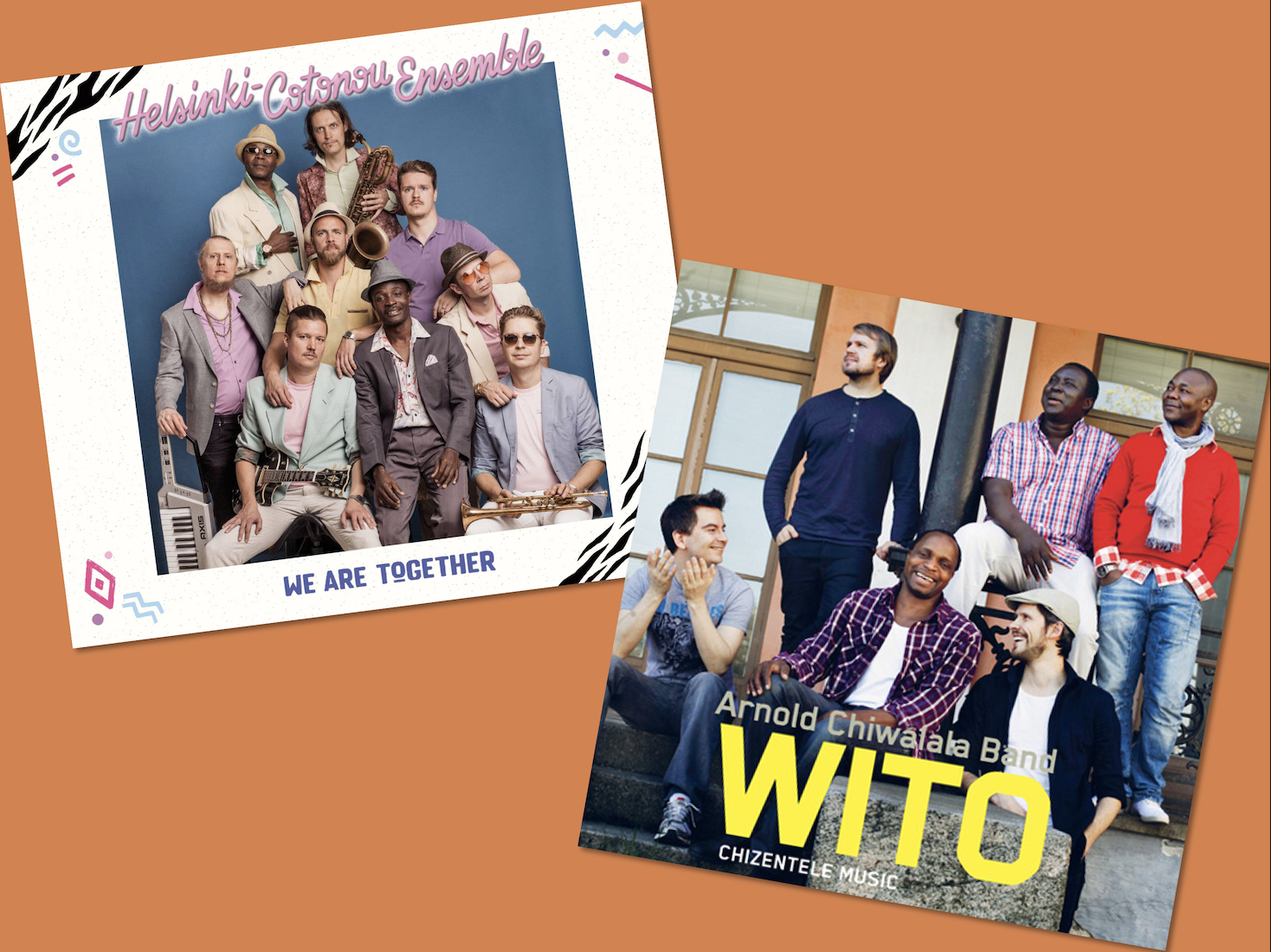
The circumstances of African musics and dances in Finland are quit e different from most Western European countries because most of the Africa n diaspora communities in Finland are relatively young and small. Still, th ere has been a number of professional African musicians living and working in Finland since the 1980s, but their immigration was more often due to the ir personal connections with Finns rather than general flows of migration. Despite the minimal numbers of Africans living in Finland, a lively scene o f African music and dance has developed especially in Helsinki, the capital , and this scene has been characterized by collaborations between Africans and white Finns.
The lecture presents my earlier research on the hist ory of African music and musicians in Finland, with a focus on the first ge neration on African immigrant musicians, and a new research project where I will study how traditional West African music and dance styles are transmi tted and (re)presented in Finnish contexts. It seems that these traditions are more likely to be transmitted in multiethnic and translocal networks of professionals and enthusiasts than from an older generation of African imm igrant artists to their offspring or other young people of African descent. This destabilizes the conception of music and dance traditions as ‘heritag e’ passed on through generations. The plan is to broaden this research late r to include also other European countries and the ways in which African tr aditions are transmitted and possibly transformed through social media repr esentations.
Elina Seye (PhD, habil.) is an ethnomus icologist and dance researcher affiliated with the University of Helsinki, Finland. Her doctoral thesis Performing a Tradition in Music and Dance (2014, University of Tampere) focused on social relations and interact ions in Senegalese sabar dance events, and her postdoctoral projec t dealt with sabar dance in different performance contexts. She ha s also conducted research on African music and musicians in Finland. Curren tly, her research focuses on women musicians in Senegal and Mali as part of the project World Wide Women – Female Musicians Crossing Borders and B uilding Futures that she also leads.
DTSTAMP:20261017T040916 DTSTART;TZID=Europe/Paris:20231106T100000 DTEND;TZID=Europe/Paris:20231106T120000 SEQUENCE:0 TRANSP:OPAQUE END:VEVENT END:VCALENDAR