BEGIN:VCALENDAR
VERSION:2.0
PRODID:-//jEvents 2.0 for Joomla//EN
CALSCALE:GREGORIAN
METHOD:PUBLISH
BEGIN:VTIMEZONE
TZID:Europe/Paris
BEGIN:STANDARD
DTSTART:20251026T020000
RDATE:20260329T030000
TZOFFSETFROM:+0200
TZOFFSETTO:+0100
TZNAME:Europe/Paris CET
END:STANDARD
BEGIN:STANDARD
DTSTART:20261025T020000
RDATE:20270328T030000
TZOFFSETFROM:+0200
TZOFFSETTO:+0100
TZNAME:Europe/Paris CET
END:STANDARD
BEGIN:STANDARD
DTSTART:20271031T020000
RDATE:20280326T030000
TZOFFSETFROM:+0200
TZOFFSETTO:+0100
TZNAME:Europe/Paris CET
END:STANDARD
BEGIN:DAYLIGHT
DTSTART:20250611T150000
RDATE:20251026T020000
TZOFFSETFROM:+0100
TZOFFSETTO:+0200
TZNAME:Europe/Paris CEST
END:DAYLIGHT
BEGIN:DAYLIGHT
DTSTART:20260329T030000
RDATE:20261025T020000
TZOFFSETFROM:+0100
TZOFFSETTO:+0200
TZNAME:Europe/Paris CEST
END:DAYLIGHT
BEGIN:DAYLIGHT
DTSTART:20270328T030000
RDATE:20271031T020000
TZOFFSETFROM:+0100
TZOFFSETTO:+0200
TZNAME:Europe/Paris CEST
END:DAYLIGHT
END:VTIMEZONE
BEGIN:VEVENT
UID:811a566ee9e1f2072b66ab89d63076ca
CATEGORIES:Séminaire de l'EREA
CREATED:20260521T114105
SUMMARY:Indigenous Alliance Making: Histories of Agency in Colonial Lowland South America with a focus on Makushi alliance in Guyana (James Andrew Whitaker, University of Southern Mississippi)
LOCATION:Lesc – salle 308F (3e étage)
DESCRIPTION: Since the colonial era, Indigenous people i
n lowland South America have formed alliances and partnerships with outside
rs within an array of different circumstances that range from trade and oth
er forms of economic exchange to missionization, warfare and predation. Dra
wing on historical encounters from Bolivia, Brazil, Colombia, and Guyana, <
em>In
digenous Alliance Making: Histories of Agency in Colonial Lowland South Ame
rica (Whitaker & Harris ed., 2025) examines such cases across
the continent. It contributes to a growing historiographical emphasis on In
digenous strategic relations with outsiders and highlights how Indigenous p
eople have sought to steer or even control the content and direction of the
se relations despite adverse circumstances. This presentation will provide
an overview of the book with a particular focus on the final chapter, “Maku
shi Alliances in Guyana: Partnerships against Predation.” It will focus on
how Makushi people strived for mutualistic relations under circumstances va
riously characterized by symmetrical and asymmetrical dynamics. It will als
o explore how such ethnohistories can contribute to contemporary ethnograph
ic research with Indigenous groups in Amazonia.
Since the colonial era, Indigenous people i
n lowland South America have formed alliances and partnerships with outside
rs within an array of different circumstances that range from trade and oth
er forms of economic exchange to missionization, warfare and predation. Dra
wing on historical encounters from Bolivia, Brazil, Colombia, and Guyana, <
em>In
digenous Alliance Making: Histories of Agency in Colonial Lowland South Ame
rica (Whitaker & Harris ed., 2025) examines such cases across
the continent. It contributes to a growing historiographical emphasis on In
digenous strategic relations with outsiders and highlights how Indigenous p
eople have sought to steer or even control the content and direction of the
se relations despite adverse circumstances. This presentation will provide
an overview of the book with a particular focus on the final chapter, “Maku
shi Alliances in Guyana: Partnerships against Predation.” It will focus on
how Makushi people strived for mutualistic relations under circumstances va
riously characterized by symmetrical and asymmetrical dynamics. It will als
o explore how such ethnohistories can contribute to contemporary ethnograph
ic research with Indigenous groups in Amazonia.
La présentation sera
réalisée en anglais.
X-ALT-DESC;FMTTYPE=text/html: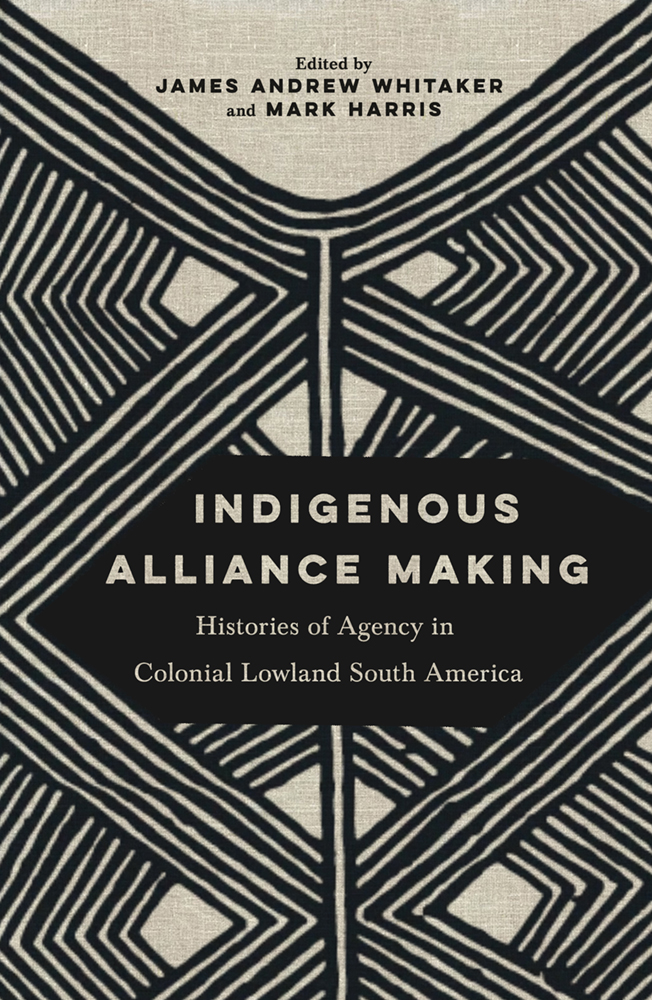 Since the colonial
era, Indigenous people in lowland South America have formed alliances and
partnerships with outsiders within an array of different circumstances that
range from trade and other forms of economic exchange to missionization, w
arfare and predation. Drawing on historical encounters from Bolivia, Brazil
, Colombia, and Guyana, Indigenous Alliance Making: Histories of Agency in C
olonial Lowland South America (Whitaker & Harris ed., 2025) ex
amines such cases across the continent. It contributes to a growing histori
ographical emphasis on Indigenous strategic relations with outsiders and hi
ghlights how Indigenous people have sought to steer or even control the con
tent and direction of these relations despite adverse circumstances. This p
resentation will provide an overview of the book with a particular focus on
the final chapter, “Makushi Alliances in Guyana: Partnerships against Pred
ation.” It will focus on how Makushi people strived for mutualistic relatio
ns under circumstances variously characterized by symmetrical and asymmetri
cal dynamics. It will also explore how such ethnohistories can contribute t
o contemporary ethnographic research with Indigenous groups in Amazonia.
Since the colonial
era, Indigenous people in lowland South America have formed alliances and
partnerships with outsiders within an array of different circumstances that
range from trade and other forms of economic exchange to missionization, w
arfare and predation. Drawing on historical encounters from Bolivia, Brazil
, Colombia, and Guyana, Indigenous Alliance Making: Histories of Agency in C
olonial Lowland South America (Whitaker & Harris ed., 2025) ex
amines such cases across the continent. It contributes to a growing histori
ographical emphasis on Indigenous strategic relations with outsiders and hi
ghlights how Indigenous people have sought to steer or even control the con
tent and direction of these relations despite adverse circumstances. This p
resentation will provide an overview of the book with a particular focus on
the final chapter, “Makushi Alliances in Guyana: Partnerships against Pred
ation.” It will focus on how Makushi people strived for mutualistic relatio
ns under circumstances variously characterized by symmetrical and asymmetri
cal dynamics. It will also explore how such ethnohistories can contribute t
o contemporary ethnographic research with Indigenous groups in Amazonia.
La présentation sera réalisée en anglais.
DTSTAMP:20261017T064509
DTSTART;TZID=Europe/Paris:20260612T150000
DTEND;TZID=Europe/Paris:20260612T173000
SEQUENCE:0
TRANSP:OPAQUE
END:VEVENT
END:VCALENDAR